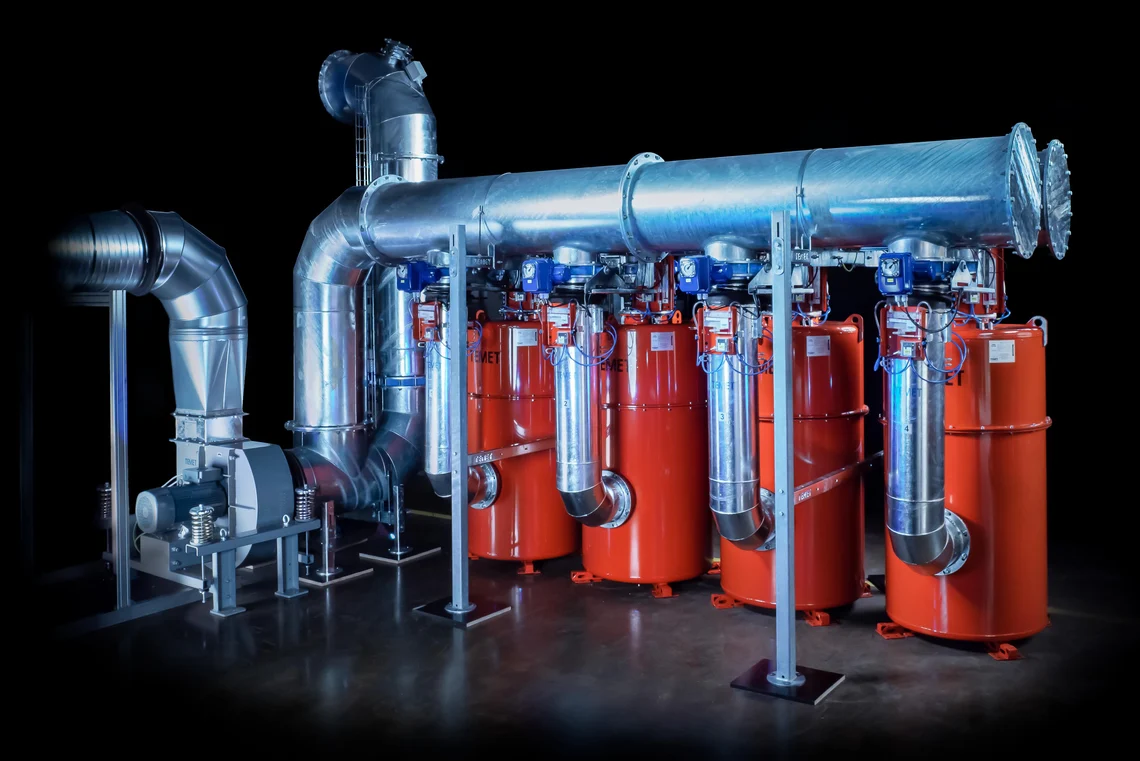
The demand for shelter automation has increased steadily over the past few years. Shelter automation is commonly required in facilities which need to switch to protected mode almost instantly, in large facilities which require a large number of steps to switch to protected mode (e.g.: large number of doors and openings need to be closed), and in high-end or VIP shelters.
Shelter automation
Shelter automation
The demand for shelter automation has increased steadily over the past few years. Shelter automation is commonly required in facilities which need to switch to protected mode almost instantly, in large facilities which require a large number of steps to switch to protected mode (e.g.: large number of doors and openings need to be closed), and in high-end or VIP shelters.
Shelter automation normally comes in 3 levels:
Partially automated. Some functions and equipment can be automated or motorized, for example a power operated blast door, an automated or remotely operated Gastight Shutoff Valve to close peacetime ventilation openings, or an automated filtration system.
Semi-automated shelter. Where some or all the shelter is managed by a Building Management System (BMS), but the operator is controlling the BMS, either locally or from a remote location.
Fully automated shelter. When the whole shelter is operated and monitored automatically by a shelter control system and can be switched to protected mode by the press of a button or by the detection of threat (by external sensors).